
Primary Keyword: Social Media Optimization (SMO)
Secondary Keywords: SMO Services, Social Media Marketing, Social Media Optimization Strategy, Social Media Management, Digital Marketing, Social Media Engagement, Brand Awareness
Meta Title (60 Characters): Social Media Optimization (SMO): Complete Guide for 2026
Meta Description (155 Characters): Learn everything about Social Media Optimization (SMO), its benefits, strategies, tools, and best practices to increase brand awareness, engagement, and website traffic.

Social Media Optimization (SMO): The Ultimate Guide to Growing Your Business Through Social Media
Introduction

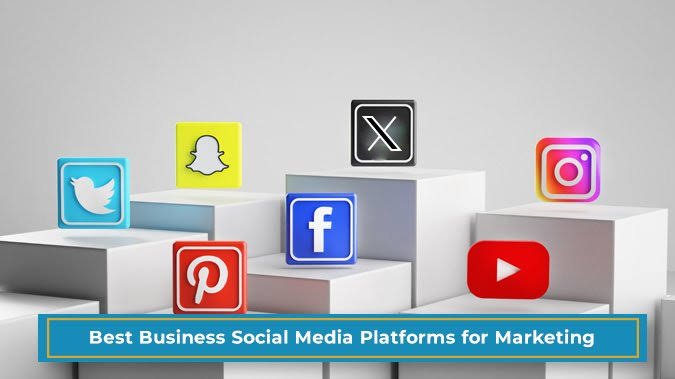
In today’s fast-paced digital landscape, social media has become one of the most influential platforms for businesses to connect with customers, build brand awareness, and generate leads. With billions of active users across platforms like Facebook, Instagram, LinkedIn, X (formerly Twitter), Pinterest, YouTube, and TikTok, businesses have unprecedented opportunities to engage with their target audience.
However, simply creating social media accounts and posting occasionally is not enough. To stand out in a crowded marketplace, businesses need a strategic approach that ensures their profiles, content, and engagement efforts are optimized for maximum visibility and performance. This is where Social Media Optimization (SMO) comes into play.What is Social Media Optimization (SMO)?
Social Media Optimization (SMO) is the process of optimizing your social media profiles, content, and marketing strategies to improve brand awareness, increase engagement, generate leads, and drive traffic to your website.
Unlike traditional social media posting, SMO involves a strategic and data-driven approach to ensure that every post, profile update, and interaction contributes to your business goals.
Main Objectives of SMO
Improve online reputationWhat is Social Media Optimization (SMO)?
Social Media Optimization (SMO) is the process of optimizing your social media profiles, content, and marketing strategies to improve brand awareness, increase engagement, generate leads, and drive traffic to your website.
Unlike traditional social media posting, SMO involves a strategic and data-driven approach to ensure that every post, profile update, and interaction contributes to your business goals.
Main Objectives of SMO
- Increase brand visibility
- Improve audience engagement
- Build trust and credibility
- Generate website traffic
- Increase conversions
- Strengthen customer relationships
- Improve online reputation
Why is Social Media Optimization Important?
Consumers today spend hours on social media every day. Businesses that maintain an active and optimized presence are more likely to attract potential customers and stay ahead of competitors.
Benefits of SMO
1. Builds Brand Awareness
Regular, high-quality social media content helps your business become recognizable. When users repeatedly see your content, they begin to trust your brand.
2. Drives Website Traffic
Optimized social media posts can direct users to:
- Blog articles
- Product pages
- Service pages
- Landing pages
- Contact forms
This increases website visitors and improves lead generation.
3. Improves Customer Engagement
Engagement includes:
- Likes
- Comments
- Shares
- Saves
- Clicks
- Direct Messages
The higher your engagement, the better your content performs on social media algorithms.
4. Builds Customer Trust
Businesses that actively respond to customer questions and feedback appear more trustworthy and customer-focused.
5. Cost-Effective Marketing
Compared to traditional advertising, SMO provides long-term benefits at a lower cost, making it suitable for startups, small businesses, and large enterprises alike.
Major Social Media Platforms for SMO
Ideal for:
- Local businesses
- Service providers
- Community building
- Facebook Ads
- Business Pages
- Facebook Groups
Best for:
- Fashion brands
- Beauty businesses
- Restaurants
- Influencers
- Photography
- E-commerce
Content Types:
- Reels
- Stories
- Carousel Posts
- Live Sessions
Perfect for:
- B2B Marketing
- Corporate Branding
- Recruitment
- Professional Networking
- Thought Leadership
YouTube
Excellent for:
- Tutorials
- Product Reviews
- Educational Content
- Brand Storytelling
Ideal for:
- Home Decor
- Fashion
- DIY
- Recipes
- Lifestyle
- E-commerce
X (Twitter)
Useful for:
Brand ConversationsEssential Components of SMO
Profile Optimization

An optimized profile should include:
- Professional profile picture
- Brand logo
- Cover image
- Keyword-rich bio
- Website URL
- Contact information
- Business address
- Business hours
- Call-to-action button
Branding Consistency
Maintain consistency in:
- Logo
- Color palette
- Typography
- Username
- Tone of voice
- Brand messaging
Consistent branding strengthens recognition and builds trust.
Content Optimization

Create content that provides value.
Examples include:
Behind-the-Scenes ContentStep-by-Step Social Media Optimization Strategy
Step 1: Define Your Goals

Your goals may include:
- Increase followers
- Generate leads
- Improve website traffic
- Increase engagement
- Build brand awareness
- Improve customer support
Step 2: Identify Your Target Audience

Understand:
- Age
- Gender
- Location
- Interests
- Occupation
- Buying behavior
- Online habits
Creating audience personas helps you tailor your content effectively.
Step 3: Optimize Every Social Profile

Ensure consistency across all platforms by using the same branding elements and business information.
Step 4: Create a Content Calendar
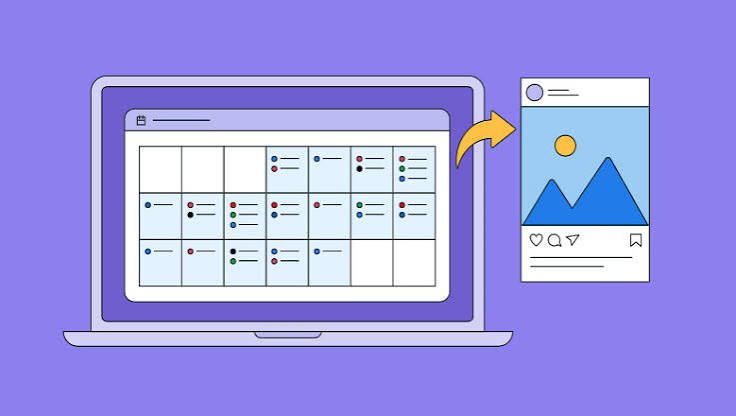
Plan your content in advance.
Example Weekly Schedule:
Monday: Educational Tip
Tuesday: Customer Testimonial
Wednesday: Behind-the-Scenes
Thursday: Industry News
Friday: Product Promotion
Saturday: Interactive Poll
Sunday: Inspirational Quote
Step 5: Publish High-Quality Content
High-performing content includes:
- Reels
- Videos
- Carousels
- Infographics
- Blog Promotions
- FAQs
- Polls
- Live Videos
Step 6: Use Relevant Hashtags
Examples:
#SMO
#SocialMediaOptimization
#DigitalMarketing
#SocialMediaMarketing
#BusinessGrowth
#MarketingStrategy
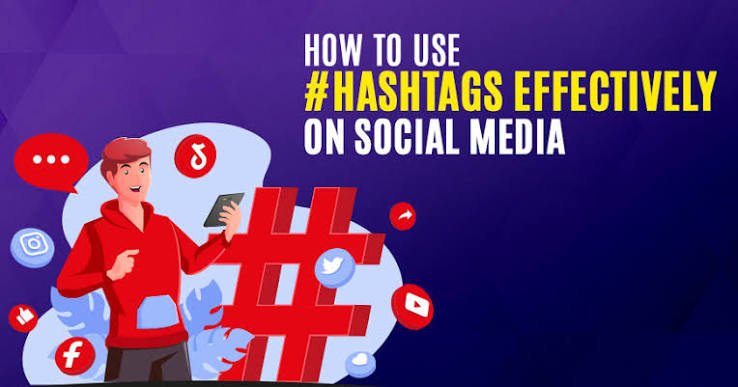
Use 5–15 relevant hashtags instead of excessive tagging.
Step 7: Engage with Your Audience

Always:
- Reply to comments
- Answer messages promptly
- Thank customers for reviews
- Participate in discussions
- Encourage user-generated content
Step 8: Analyze Performance

Monitor key metrics such as:
- Reach
- Impressions
- Engagement Rate
- Click-Through Rate (CTR)
- Follower Growth
- Website Traffic
- Conversion Rate
Use analytics to refine your strategy over time.
Educational Posts
Infographics
Reels
Short Videos
Customer Testimonials
Product Demos
Industry News
Case Studies
Success Stories
Industry News
Customer Support
Real-Time Updates
Increase brand visibility
Improve audience engagement
Build trust and credibility
Generate website traffic
Increase conversions
Strengthen customer relationships
Step-by-Step Social Media Optimization Strategy
Step 1: Define Your Goals
Your goals may include:
- Increase followers
- Generate leads
- Improve website traffic
- Increase engagement
- Build brand awareness
- Improve customer support
Step 2: Identify Your Target Audience
Understand:
- Age
- Gender
- Location
- Interests
- Occupation
- Buying behavior
- Online habits
Creating audience personas helps you tailor your content effectively.
Step 3: Optimize Every Social Profile
Ensure consistency across all platforms by using the same branding elements and business information.
Step 4: Create a Content Calendar
Plan your content in advance.
Example Weekly Schedule:
Monday: Educational Tip
Tuesday: Customer Testimonial
Wednesday: Behind-the-Scenes
Thursday: Industry News
Friday: Product Promotion
Saturday: Interactive Poll
Sunday: Inspirational Quote
Step 5: Publish High-Quality Content

High-performing content includes:
- Reels
- Videos
- Carousels
- Infographics
- Blog Promotions
- FAQs
- Polls
- Live Videos
Step 6: Use Relevant Hashtags
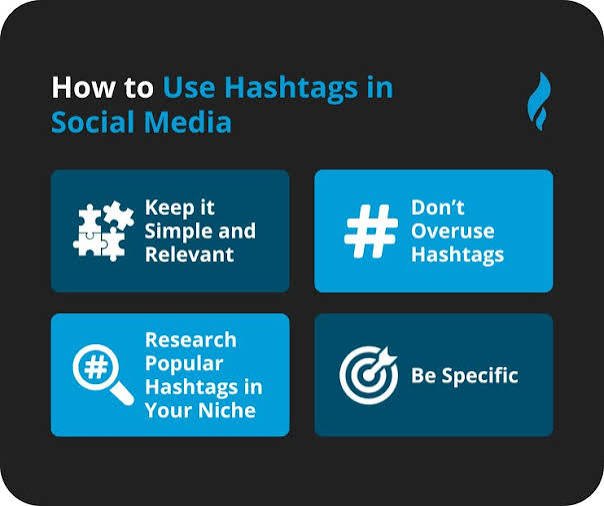
Examples:
SMO
#SocialMediaOptimization
DigitalMarketing
SocialMediaMarketing
BusinessGrowth
MarketingStrategy
Use 5–15 relevant hashtags instead of excessive tagging.
Step 7: Engage with Your Audience

Always:
- Reply to comments
- Answer messages promptly
- Thank customers for reviews
- Participate in discussions
- Encourage user-generated content
Step 8: Analyze Performance

Monitor key metrics such as:
- Reach
- Impressions
- Engagement Rate
- Click-Through Rate (CTR)
- Follower Growth
- Website Traffic
- Conversion Rate
Use analytics to refine your strategy over time.
SMO vs SEO
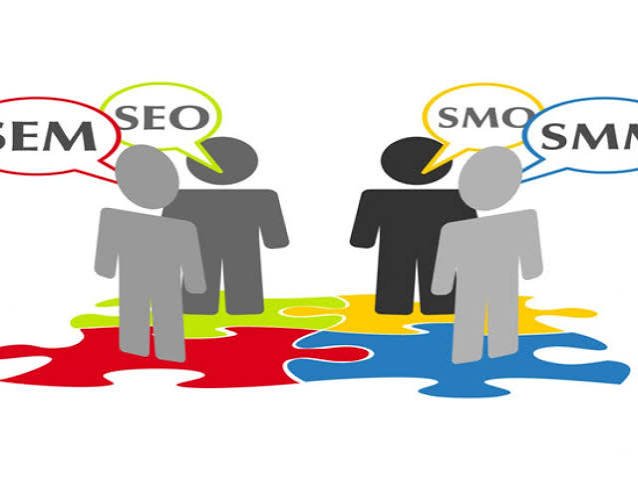
| SEO | SMO |
|---|---|
| Optimizes websites for search engines | Optimizes social media presence |
| Focuses on organic search rankings | Focuses on engagement and visibility |
| Uses keywords and backlinks | Uses hashtags, content, and community engagement |
| Drives search traffic | Drives referral traffic from social platforms |
| Long-term ranking improvements | Faster audience interaction and brand exposure |
Best Practice: Use SEO and SMO together to maximize your digital marketing results.
Common SMO Mistakes to Avoid
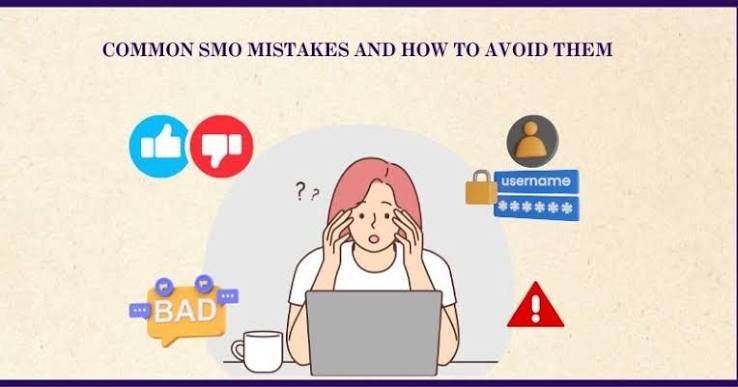
- Inconsistent posting schedule
- Ignoring comments and messages
- Low-quality visuals
- Using irrelevant hashtags
- Overly promotional content
- Buying fake followers
- Not analyzing performance metrics
- Failing to optimize profile information
Avoiding these mistakes can improve your credibility and audience trust.
Future Trends in SMO

As social media evolves, businesses should stay prepared for emerging trends:
- AI-powered content creation
- Personalized user experiences
- Short-form video dominance
- Social commerce (shopping directly through social platforms)
- Influencer collaborations
- Interactive content (polls, quizzes, live sessions)
- Community-driven marketing
- Voice search integration
- Augmented Reality (AR) experiences
Adapting to these trends can help brands remain competitive and relevant.
Frequently Asked Questions (FAQs)
Social Media Optimization (SMO) is the process of improving your social media profiles, content, and engagement strategies to increase brand awareness, website traffic, customer interaction, and business growth.
SMO helps businesses build a strong online presence, connect with their target audience, increase engagement, generate quality leads, and improve brand credibility across social media platforms.
Some key benefits of SMO include:
- Increased brand awareness
- Higher website traffic
- Better customer engagement
- Improved online reputation
- More leads and conversions
- Cost-effective digital marketing
- Enhanced customer loyalty
The best platforms depend on your business goals and audience. Popular platforms include:
- X (Twitter)
- YouTube
- TikTok
SEO (Search Engine Optimization) focuses on improving a website’s visibility in search engine results, while SMO (Social Media Optimization) focuses on enhancing a brand’s presence and engagement on social media platforms.
Posting frequency varies by platform, but consistency is key. A good starting point is:
- Facebook: 3–5 posts per week
- Instagram: 4–7 posts per week
- LinkedIn: 2–4 posts per week
- X (Twitter): Daily or multiple times a day
- YouTube: 1–2 videos per week
Some of the most popular SMO tools include:
- Canva
- Meta Business Suite
- Buffer
- Hootsuite
- Later
- Sprout Social
- Google Analytics
- ChatGPT
Relevant hashtags improve content discoverability, increase reach, and help users find posts related to specific topics or industries. Using targeted hashtags can boost engagement and attract the right audience
You can measure SMO performance by tracking:
- Reach
- Impressions
- Engagement rate
- Website traffic
- Follower growth
- Click-through rate (CTR)
- Leads generated
- Conversion rate
No. SMO is an ongoing process that requires regular content creation, profile optimization, audience engagement, performance analysis, and strategy updates to achieve long-term results.
No. SMO is an ongoing process that requires regular content creation, profile optimization, audience engagement, performance analysis, and strategy updates to achieve long-term results.